

Stop Buying Bigger Clothes. How to Avoid Winter Weight Gain

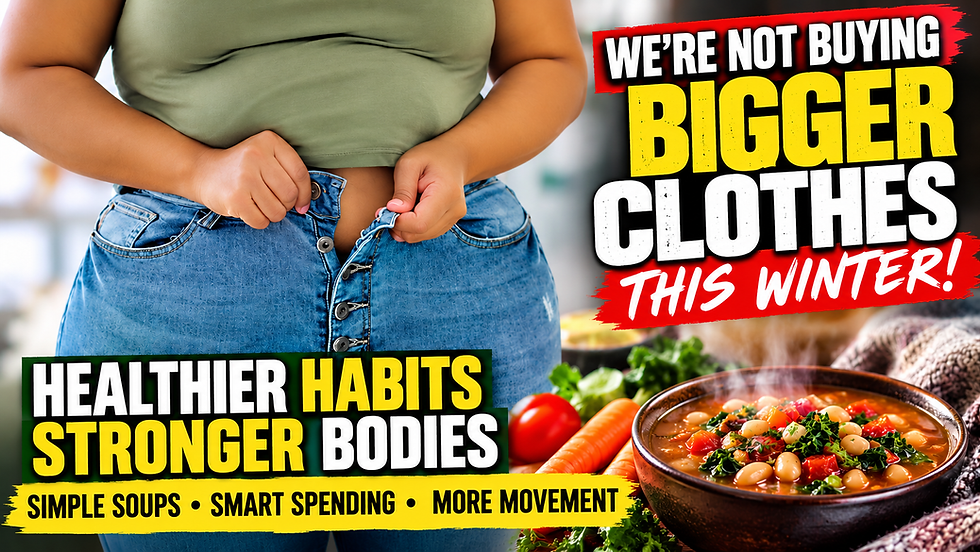
As the weather begins to change and the temperatures start dropping, many of us will begin pulling out our sweaters, jackets, coats, and heavier clothing. But there's something else that often comes with the colder months: unwanted weight gain.
Let's make a commitment this year. We're not going into the stores to buy bigger clothes simply to accommodate unhealthy habits. We're going to work toward healthier bodies that allow us to feel good in the clothes we already own.
Now, this isn't about body shaming or making anyone feel uncomfortable about their size. Our bodies change for different reasons, and sometimes buying clothes that fit is necessary. This is about accountability, discipline, and making better decisions before unhealthy habits become a lifestyle.
Think about it. We're approaching 2027. At the beginning of 2026, many of us made promises to ourselves. We said we were going to lose weight, exercise more, eat healthier, drink more water, and become better versions of ourselves.
Some of us started strong. We joined gyms, changed our eating habits, and began walking. But somewhere along the way, life happened. Work schedules became demanding, family responsibilities increased, and some of those promises slowly faded away.
Well, here's the good news. The year isn't over, and neither is our opportunity to improve our health.
We don't have to wait until January 1 to make another promise. We can start today.
Cold Weather Doesn't Mean We Stop Moving
One of the biggest challenges during the fall and winter months is becoming comfortable with inactivity. We come home, turn on the television, grab something to eat, and settle into the couch. Before we know it, that routine becomes a daily habit.
The couch itself isn't the enemy. Rest is important. The problem begins when resting replaces movement and we consistently consume more calories than our bodies need.
Research suggests that some people experience modest weight gain during the holiday season, although it is not inevitable and varies from person to person.
The temperatures are cooling down, but that doesn't mean we can't get outside and walk. In fact, cooler weather can make walking more comfortable than exercising in extreme summer heat.
We can begin with 15 to 20 minutes and gradually build toward 30 minutes or longer. We can walk around our neighborhoods, visit local parks, take the stairs, or even exercise inside our homes when the weather becomes uncomfortable.
The goal isn't to become a professional athlete. The goal is to remain active and consistent.
The CDC recommends that adults aim for at least 150 minutes of moderate-intensity physical activity weekly, along with muscle-strengthening activities at least two days per week. We can build toward that goal at our own pace.
Let's Stop Spending Money on Unhealthy Habits
Here's another conversation we need to have: the financial cost of poor eating habits.
Many of us spend money on fast food, takeout, snacks, and convenience meals without realizing how quickly those purchases add up.
Consider this simple example:
$15 Daily
Takeout
$75
Five days
$300
Four weeks
That's $300 in four weeks on just one $15 meal, five days a week. Imagine taking a portion of that money and purchasing fresh vegetables, dried beans, lentils, fish, and other nutritious ingredients.
We can prepare meals that last several days, control the amount of sodium and added fats, and know exactly what we're putting into our bodies.
And one of the simplest ways to begin is by making homemade soups.
Soup Season: Feeding the Body Without Breaking the Bank
When we talk about soups, we're talking about something that can be economical, filling, nutritious, and easy to prepare.
A good homemade soup can provide fiber, vitamins, minerals, protein, and fluid, depending on the ingredients we choose.
Vegetables provide essential nutrients, beans and lentils contribute fiber and plant-based protein, and adding fish or lean poultry can increase the protein content.
Soup can also support healthy weight management because broth-based soups with vegetables and beans can provide satisfying portions without excessive calories. But let's be clear: soup itself doesn't magically burn body fat. Sustainable fat loss comes from our overall eating habits, physical activity, sleep, and energy balance.
The beauty of soup is that we can make a large pot, refrigerate some, freeze individual portions, and have healthy meals available instead of constantly reaching for takeout.
Five Homemade Soups to Get Us Started
These are simple, original recipe ideas that we can adjust to our own tastes, budgets, and nutritional needs. Each makes approximately four servings.
1. Homemade Tomato & Basil Soup

Approximately 25–30 minutes
Use six ripe tomatoes or one large can of no-salt-added crushed tomatoes, one onion, two garlic cloves, two cups of low-sodium vegetable broth, fresh basil, and a teaspoon of olive oil.
Sauté the onions and garlic, add tomatoes and broth, simmer for 20 minutes, then blend until smooth. Season with basil and black pepper. Pair with eggs or fish for additional protein.
2. Carrot & Ginger Soup

Approximately 30–35 minutes
Combine six chopped carrots, one onion, one tablespoon of fresh ginger, two garlic cloves, three cups of low-sodium broth, and a teaspoon of olive oil.
Lightly sauté the aromatics, add carrots and broth, simmer until tender, and blend. Carrots provide beta-carotene, which our bodies convert into vitamin A. Add a protein-rich side to make it a more complete meal.
3. Garden Vegetable Soup
Approximately 35 minutes
Use two carrots, two celery stalks, one zucchini, two cups of chopped cabbage, one cup of green beans, one can of diced tomatoes, and four cups of low-sodium broth.
Simmer everything with garlic, thyme, and black pepper until the vegetables soften. Add cooked salmon or shredded chicken, if desired, for extra protein.
4. Navy Bean & Vegetable Soup

Approximately 35–40 minutes using cooked beans
Combine three cups of cooked navy beans, two carrots, two celery stalks, one onion, two garlic cloves, four cups of low-sodium broth, and thyme.
Simmer for 25–30 minutes. Mash a portion of the beans to thicken the soup naturally without heavy cream. Navy beans offer fiber, protein, iron, and other nutrients.
5. Lentil & Spinach Soup
Approximately 35–45 minutes
Use one cup of dried lentils, two carrots, one onion, two garlic cloves, two cups of spinach, one can of diced tomatoes, and four cups of low-sodium broth.
Rinse lentils, then simmer them with vegetables and broth until tender. Stir in spinach during the final few minutes. Lentils provide plant-based protein, fiber, and folate.
Cooking note: Use thoroughly cooked beans; dry navy beans require additional soaking or cooking time. Refrigerate prepared soups promptly and use within 3–4 days or freeze for later.
The Body Responds to What We Consistently Do
One of the most remarkable things about the human body is its ability to adapt.
When we begin walking regularly, our cardiovascular fitness can improve. When we increase our intake of nutritious foods, we give our bodies the materials they need to function. When we get enough rest, we support recovery, concentration, and overall health.
These changes may not happen overnight, and results will vary. But our bodies can benefit from consistent healthy behaviors even before we see a difference on the scale.
We must also understand that unhealthy excess body fat, particularly around the abdominal organs, is associated with increased risks of cardiovascular disease, type 2 diabetes, and other health problems.
This is bigger than looking good in a pair of jeans. We're talking about improving our quality of life.
We're talking about having the energy to enjoy our children and grandchildren, remaining independent as we age, and reducing preventable health risks where we can.
Our Commitment Before 2027
Let's challenge ourselves to begin with these five commitments:
Walk or engage in suitable physical activity at least five days a week, building gradually.
Prepare at least two homemade, nutritious meals or soups each week.
Reduce unnecessary takeout spending and use those savings toward healthier groceries.
Drink water regularly and make adequate sleep a priority.
Measure progress through energy, endurance, strength, health indicators, and how we feel—not clothing size alone.
We don't need an expensive gym membership, the latest fitness equipment, or a refrigerator filled with overpriced products to begin making better decisions.
We need a plan, some discipline, consistency, and a willingness to make our health a priority.
And if we fall short one day, that doesn't mean we've failed. It simply means we need to get back on track.
Final Thoughts: Don't Wait for January to Become Better
As we move closer to 2027, let's stop making promises that only last a few weeks. Let's begin developing habits that can last a lifetime.
The colder months shouldn't become an excuse to abandon our health. They can become an opportunity to strengthen our discipline, save money, prepare better meals, and invest in ourselves.
So when we begin pulling out those winter clothes, let's remember our commitment. We're not planning to buy bigger sizes to make room for preventable unhealthy habits. We're making room in our lives for better health.
And if our bodies need a different clothing size along the journey, that doesn't define our success or failure.
We still have time to finish 2026 stronger than we started.
Our health is our wealth. Our discipline is our investment. And the best time to begin is today.
One Village, One Fight.
BLXCR | Authentic Voices. Real Stories.


Comments